

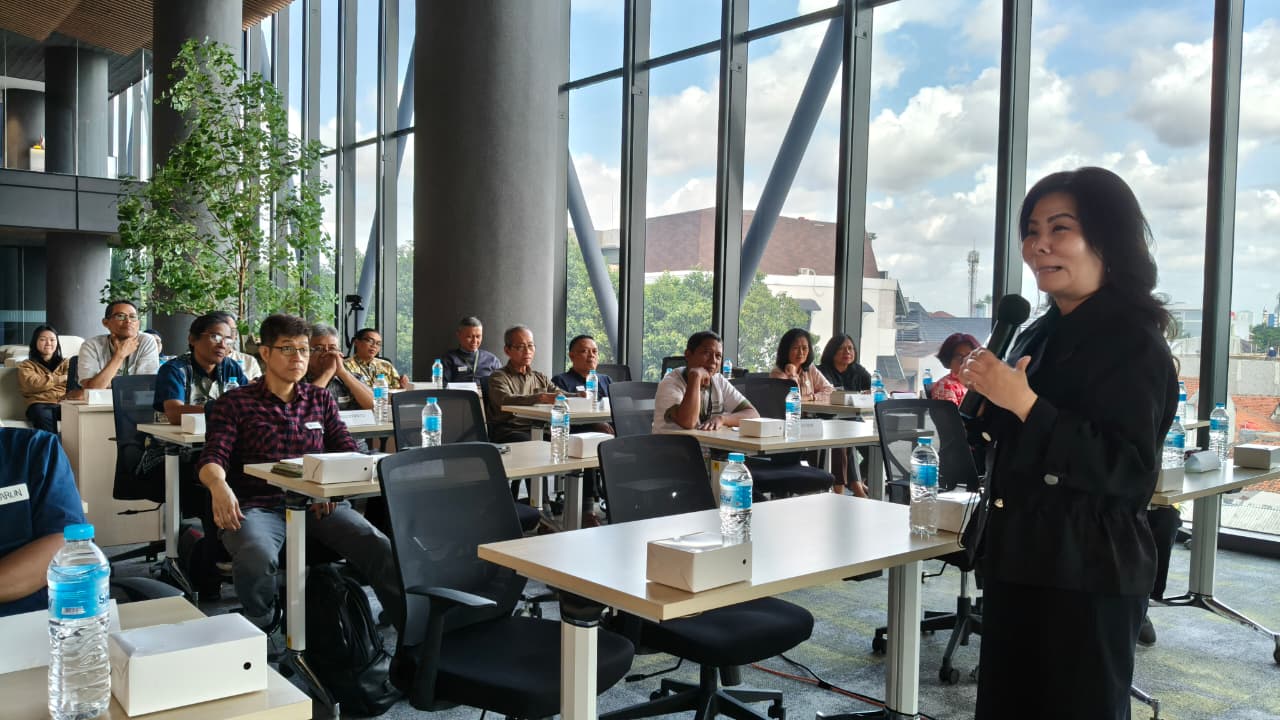
Human Resources Training: Human Resources Development Strategies to Improve Company Performance
In the modern business world, a company’s success is determined not only by technology or financial capital, but also by the quality of its human resources. Therefore, Human Resources Training It is a key strategy for enhancing employee competencies, strengthening the work culture, and boosting the organization’s competitiveness.
Many companies view employee training programs as a long-term investment. Through the right training programs, companies can boost team productivity, develop leadership skills, and prepare employees to navigate the increasingly rapid pace of change in the industry. If you’d like to learn more about various professional training programs, you can visit the pagetraining program from Maximum Life Group.
Table of Contents
- What Is Human Resources Training?
- Why Employee Training Is Important for Companies
- The Benefits of Human Resources Training for Companies
- Types of Human Resources Training
- Modern Human Resources Training Methods
- Examples of Human Resources Training Programs
- How to Choose a Training Vendor
- Case Study on Training Implementation
- Conclusion
What Is Human Resources Training?
Human resources training is the process of developing employees’ abilities, skills, and knowledge through structured training programs. The primary goal of this training is to enhance individual competencies so that employees can work more effectively and make a greater contribution to the company.
In practice, human resources training covers a wide range of areas, from the development of soft skills—such as communication, teamwork, and leadership—to hard skills directly related to the job.
Training programs are typically designed based on the organization’s needs and the challenges the company faces. As a result, training can have a tangible impact on improving employee performance and team effectiveness.
Why Employee Training Is Important for Companies
Technological changes, business competition, and digital transformation require companies to continually adapt. Without ongoing human resource development, companies will struggle to maintain their competitive edge in the market.
Training programs provide employees with the opportunity to improve their skills so they can tackle workplace challenges with greater confidence. In addition, training also helps organizations foster a positive learning culture.
According to a study by McKinsey & Company , companies that invest in employee development have a greater chance of achieving sustainable business growth.
The Benefits of Human Resources Training for Companies
A well-designed training program can provide a variety of benefits for
organizations and employees.
- Improving employee productivity
Employees with adequate skills and knowledge are able to complete
work more quickly and effectively. - Improving employee competencies
Training helps employees learn new skills that are relevant to
industrial and technological developments. - Improving employee loyalty
Companies that invest in employee development are usually able to improve
job satisfaction and team loyalty. - Developing Leadership
Leadership training helps companies prepare future leaders who
able to manage a team effectively. - Strengthening the work culture
Training also helps foster a more collaborative work culture,
professional, and productive.
Types of Human Resources Training
Human resources training can be divided into several types based on its objectives and training content.
Soft Skills Training
Soft skills training aims to improve employees’ interpersonal skills, such as professional communication, teamwork, and problem-solving skills.
Hard Skills Training
This training focuses on technical skills directly related to the job, such as training in digital technology, data analysis, or specific technical skills.
Leadership Training
This program is designed to develop leadership skills within an organization and is typically intended for supervisors, managers, and corporate executives.
Management Training
Management training helps employees understand how to manage projects, prioritize tasks, and lead teams more effectively.
Modern Human Resources Training Methods
Technological advancements have brought about changes in employee training methods. Today, companies can use a variety of learning approaches that are more interactive and flexible.
- Interactive workshop — participants learn through discussion,
simulations and real-world case studies. - Coaching and Mentoring — provide direct guidance
to employees to improve specific skills. - Online training — digital-based training that can
accessible from anywhere. - Blended learning — a combination of in-person training
and online to improve the effectiveness of learning.
Examples of Human Resources Training Programs
Some of the training programs that companies frequently participate in include:
- Leadership development program
- Professional Communication Training
- Team-building training
- Problem-Solving Training
- Conflict Management Training
These programs are typically offered by professional training organizations
such as Maximum Life Group which offers a variety of training programs for companies, state-owned enterprises, and government agencies.
How to Choose an HR Training Vendor
Choosing the right training vendor is crucial to ensuring the success of a company’s training programs.
Some things to consider before choosing a training vendor include:
- The trainer's experience and credibility
- Quality of the training curriculum
- Teaching methods used
- Testimonials from Previous Clients
- Flexibility of the training program
Experienced training vendors are typically able to tailor training materials to the organization’s needs and the challenges faced by the company.
Case Study on the Implementation of Human Resources Training
A manufacturing company with more than 500 employees was experiencing communication issues between teams that were affecting work efficiency.
After participating in a communication and teamwork training program, the company succeeded in significantly improving its team’s effectiveness. Within six months, the team’s productivity increased by 25%. This case demonstrates that the right training program can have a tangible impact on an organization’s performance.
Conclusion
Human resources training is a vital investment for companies seeking to improve the quality of their workforce. With the right training programs, companies can enhance employee competencies, strengthen their work culture, and boost organizational productivity.
In addition, training also helps companies prepare their employees to cope with the increasingly rapid pace of change in the industry.
If you would like to learn more about our various training programs
As a professional, you can view the various training programs available at Maximum Life Group's official website.