


Retirement is often seen as the end of one’s career. In reality, however, the opposite is true. Retirement marks the beginning of a new phase of life.
Unfortunately, many people still make planning mistakes as they approach retirement, which leads them to face various challenges—ranging from financial and health issues to a loss of purpose in life.
According to Federal Reserve, only 31% adults who have not yet retired feel that their retirement savings are on track. Meanwhile, the other 69% feel that their retirement savings are not meeting their expectations.
Many people think that preparing for retirement only needs to be done a few years before they stop working. In fact, the sooner you start planning, the better your chances of enjoying a peaceful and financially independent retirement.
So, what are the most common mistakes people make when planning for retirement? How can you avoid them? Read the full discussion below.
When Should You Start Planning for Retirement?
Ideally, retirement planning should begin as soon as you start earning a steady income. Even in your 20s and 30s, you can already start setting aside a portion of your income for your retirement fund.
The more time you have, the greater the benefits of compound interest, which will help your assets grow.
However, that doesn’t mean it’s too late at age 40 or 50. As long as you still have an income, you can still develop a realistic financial strategy, optimize your investments, and minimize various planning mistakes leading up to retirement that could impact your future financial situation.
See Also: Is Your Retirement Fund Enough to Last Until You’re 80?
Why Is It Important to Plan for Retirement?
Retirement planning isn’t just about setting aside a certain amount of money. You also need to prepare for your health, your activities after retirement, your family relationships, and your mental readiness.
With careful planning, you can:
- Having a source of income after retiring.
- Reduces the risk of running out of money in old age.
- Adjusting your lifestyle to your financial situation.
- To prepare for rising healthcare costs.
- Having a clear purpose in life after retirement.
The sooner you develop a plan, the less likely you are to make planning mistakes as you approach retirement that could negatively impact your quality of life in retirement.
Common Planning Mistakes Made Before Retirement
1. Always Putting Off Saving for Retirement
Many people feel they still have plenty of time, so they keep putting off saving. In fact, time is the most valuable asset when building a retirement fund, because investments take time to grow.
The longer you wait, the more you’ll need to set aside each month to ensure you reach your retirement savings goal.
2. Not Including Anticipated Expenses in the Plan
Another mistake is to calculate only your routine living expenses without taking into account unexpected costs such as healthcare, home renovations, financial assistance for family members, or other emergencies.
Without an emergency fund, retirement savings can be depleted faster than expected, leading to financial instability.
3. Too Wasteful, Lacking Proper Financial Management
A high income does not guarantee that someone is ready for retirement if it is not accompanied by sound financial management.
Excessive spending, mounting debt, and failing to have a monthly budget are common examples of poor financial planning leading up to retirement.
Living within your means will make it easier for you to build long-term assets.
4. Delaying Investment and Retirement Savings Plans
Investments take time to grow to their full potential. The closer you are to retirement when you start investing, the more limited your opportunities for asset growth will be.
Therefore, it is important to choose investment instruments that align with your risk profile and retirement timeline in order to achieve optimal results.
Don’t just jump on the bandwagon because of FOMO on social media. You need to learn about the investment instruments and their risk profiles first.
5. Still Unsure About Your Purpose in Life After Retirement
Many people feel lost after they stop working. In fact, retirement can be an opportunity to start a business, become a mentor, participate in social activities, or even pursue hobbies that have been put on hold.
Having a purpose in life helps maintain mental health while improving quality of life after retirement.
6. Not Reviewing Your Retirement Plan
Retirement planning isn’t a one-time process. Economic conditions, inflation, changes in income, and family needs will continue to change.
Therefore, conduct regular evaluations to ensure that your retirement savings goals remain aligned with current conditions.
7. Ignoring Healthcare Costs After Retirement
As we get older, healthcare costs tend to rise. If you don’t plan ahead, medical expenses can quickly deplete your retirement savings.
Make sure you have health insurance and set aside funds specifically for long-term medical needs.
8. Filing a Social Security Claim Too Soon
According to the official website Farther, In some countries, including the United States, the timing of a pension benefit claim affects the amount of the benefit received. Filing a claim too early can result in a smaller monthly benefit than if you wait until a certain age.
This principle emphasizes the importance of understanding all available retirement benefits before making a decision.
The Impact of Delaying Retirement Planning Until Age 40 or 50
Putting off retirement planning can have various consequences for you, including:
- It has become more difficult to meet pension fund targets.
- You'll have to set aside a much larger amount of savings.
- Investment horizons are getting shorter.
- The risk of running out of retirement savings is increasing.
- It's difficult to keep up with asset growth.
- The family's financial burden has increased.
- More vulnerable to inflation.
- Investment options are becoming increasingly limited.
See Also: Why Are So Many Employees Unprepared for Retirement?
How to Calculate Your Retirement Savings Needs Correctly
Pension fund calculations should be done using two approaches. These calculations aren’t just about numbers—they’re about your plans for life after retirement.
A mistake in calculating your retirement savings could affect your life in retirement. So, you can use two methods to calculate it, namely:
1. No Inflation
Formula:
Funding Need = Monthly Expenses × 12 × Length of Retirement
Example:
If you want to plan for retirement with monthly expenses of Rp10,000,000 and a retirement period from age 50 to 70, the calculation is as follows:
= 10,000,000 IDR × 12 × 20 years
= 2,400,000,000 rupiah
2. With Inflation
For example:
- Current expenses = 10,000,000 IDR/month
- Inflation = 5% per year
- Retirement in 15 years
Future Value Formula:
FV = PV × (1+i)^n
FV = 10,000,000 × (1.05)¹⁵
FV ≈ 20,790,000 IDR/month
This means that upon retirement, living expenses are estimated to be around Rp20.79 million per month.
If the retirement period lasts 20 years:
= 20,790,000 IDR × 12 × 20 years
= 4,989,600,000 rupiah
This simple calculation shows that inflation can cause retirement savings needs to nearly double. Therefore, investing is an important part of a retirement strategy.
What Is the Retirement Preparation Checklist You Must Complete Before Retiring?
1. Pay Attention to Your Financial Situation; Pay Off Your Debts
One common mistake in retirement planning is still having debt when your regular income begins to decline. Mortgage payments, car loans, and consumer debt can all create financial strain during retirement.
Start by assessing all your assets and liabilities. Prioritize paying off high-interest debt so that your cash flow after retirement will be more stable. After that, revise your budget to align with your income during retirement.
2. Set Goals for Your Retirement Activities
Many people feel lost after retirement because they lose their routine. In fact, having a new purpose in life can help maintain their enthusiasm and productivity.
You can plan activities such as starting a small business, mentoring others, gardening, getting involved in a community, or participating in social activities. With clear goals, retirement feels more meaningful and less boring.
3. Set Aside an Emergency Fund or Contingency Fund
Even after retirement, unexpected expenses can still arise. Medical costs, home renovations, or family needs can come up at any time.
Therefore, an emergency fund remains an important part of retirement planning. Ideally, these funds should be held in liquid assets so they can be accessed at any time without disrupting long-term investments.
4. Get Health Insurance, If You Don’t Already Have It
Healthcare costs tend to rise as we get older. Therefore, having health insurance is a very important step.
Make sure you understand the benefits, coverage limits, and premium costs of your insurance policy. If you’re still relying on your employer’s health insurance, be sure to arrange for alternative personal health coverage before you retire.
5. Apply for Non-Active Taxpayer Status
After you stop working, your tax status may change. If you no longer meet the requirements to be considered an active taxpayer under applicable regulations, you may apply for Non-Effective (NE) status.
This step helps avoid unnecessary tax administrative obligations and minimizes the potential for penalties resulting from late filing.
6. Invest in Low-Risk Instruments
Entering retirement doesn’t mean you have to stop investing. However, your investment strategy needs to be adjusted to help maintain the stability of your assets.
Lower-risk instruments are generally better suited for preserving the value of a pension fund than for pursuing high returns accompanied by high volatility. Portfolio diversification is also important for better risk management.
7. Prepare Mentally and Psychologically
This is the aspect that’s often overlooked and is the biggest mistake people make when planning for retirement. Many people have prepared financially, but aren’t ready to face the changes in their identity, daily routines, and social environment once they stop working.
These changes can affect self-confidence, motivation, and even mental health if one is not prepared for them early on. Therefore, psychological preparation is just as important as financial preparation.
One of the best ways is to enroll in a learning program that equips prospective retirees with the knowledge, mindset, and skills needed to navigate retirement.
Maximum Life Group is launching a program Retirement Preparation Period (MPP) which helps participants prepare comprehensively for retirement—mentally, financially, socially, and in terms of planning their activities after retirement.
Why Is It Important to Plan for Retirement by Participating in the Pre-Retirement Preparation Program?
Many people only realize the importance of preparing for retirement when they have just a few months left in their careers. In fact, the lifestyle changes that come with retirement require a significant adjustment period.
Through the Pre-Retirement Preparation Program (MPP) Maximum Life Group, You’ll not only learn about financial management, but also understand how to cultivate a positive mindset, discover new life goals, manage psychological changes, and create a plan for productive activities after retirement.
This program helps you avoid the various retirement planning mistakes that many prospective retirees often make. With the right guidance from a professional coach, you can enter retirement with confidence, a clear sense of direction, and the ability to remain productive amid change.
The Benefits of Participating in the Retirement Preparation Program at Maximum Life Group
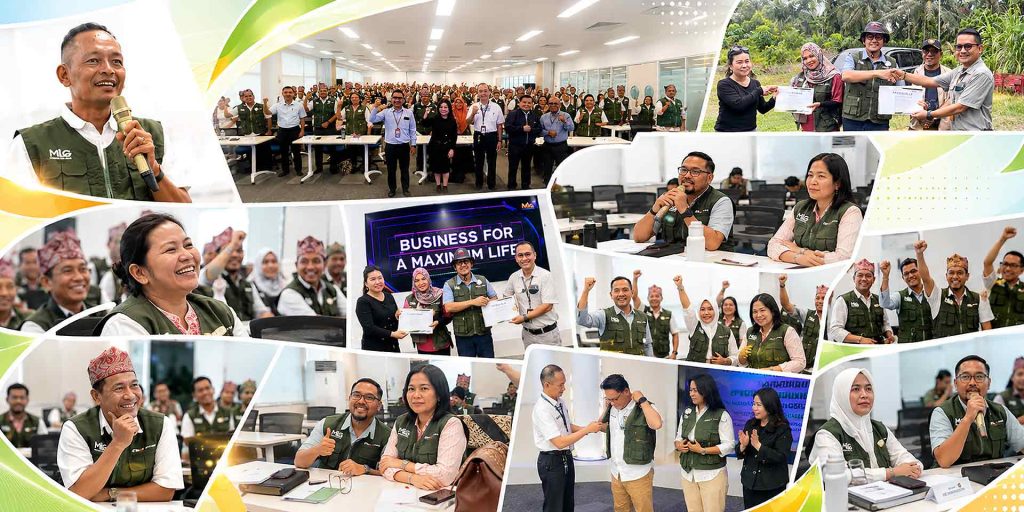
There’s a good reason to choose Maximum Life Group as your partner in planning for retirement. That’s because you’ll receive a range of services not offered by other partners, including:
- Comprehensive information on retirement planning
- An approach that encompasses financial, mental, social, and productivity aspects
- Developing the right mindset to approach retirement positively
- Led by experienced facilitators
- Interactive and practical teaching methods
- Helping to plan for life after retirement
- Improving readiness to adapt to lifestyle changes
- Suitable for both individuals and corporate programs
- Focusing on the development of human resources
- Supporting the creation of a more independent and meaningful retirement
FAQs About Planning Mistakes Leading Up to Retirement
1. Is retirement planning only important for employees who are nearing retirement age?
No. You should start planning for retirement as soon as you begin working so that you have more time to save money, invest, and plan for life after you stop working.
2. What are the risks of relying solely on severance pay during retirement?
Severance pay can run out quickly if it isn’t managed properly. Therefore, you still need to have savings, investments, or other sources of income to provide financial support.
3. How long should retirement savings ideally last to cover living expenses?
Ideally, a retirement fund should be able to cover your living expenses for 20–30 years after retirement, depending on your retirement age, health, and lifestyle.
4. Is it still possible to plan for retirement if you’re over 45?
It’s still possible. Even though you have less time, you can still develop a financial strategy, increase your savings, and choose investments that match your risk profile.
5. Why do many people feel anxious as they approach retirement?
Anxiety usually arises from changes in routine, income, and social roles, as well as uncertainty about the future. Financial and mental preparation can help reduce that anxiety.
6. Does retirement mean you have to stop being productive?
No. Many retirees remain active through business ventures, consulting, social activities, teaching, or pursuing hobbies that generate income.
7. What are some sources of income you can have after retirement?
Sources of income include investment returns, personal businesses, rental properties, royalties, part-time jobs, and serving as a mentor or consultant based on one’s work experience.
8. Why is it important to involve your spouse in retirement planning?
Because decisions regarding finances, where to live, lifestyle, and activities after retirement will be made together. Planning together can minimize differences in expectations for the future.
9. What are the signs that someone isn’t ready for retirement?
Some of the signs include not having a financial plan, not knowing how much money you’ll need for retirement, still having significant debt, and not having a clear idea of what you’ll do after retirement.
10. Is participating in the Pre-Retirement Preparation Training beneficial?
Yes. The Pre-Retirement Preparation Training helps participants prepare in terms of financial, mental, and social aspects, as well as planning productive activities, so that the transition to retirement is more focused and confident.
11. What is the difference between a planned retirement and an unplanned retirement?
A well-planned retirement helps a person be better prepared financially and psychologically, whereas retiring without a plan often leads to financial difficulties, stress, and confusion about one’s life goals.
12. How do you start planning for retirement if you’ve never done it before?
Start by assessing your financial situation, calculating your retirement savings needs, setting investment goals, and participating in educational or training programs that provide a comprehensive overview of retirement planning, such as the Retirement Preparation Program (MPP) at Maximum Life Group. This program helps you understand practical steps to ensure you’re better prepared to face retirement with peace of mind and productivity.
Avoid Mistakes in Your Retirement Planning by Taking the MPP Training with Maximum Life Group!
Retirement should be the start of a more meaningful life, not a time filled with worries. Don’t let planning mistakes leading up to retirement hinder your future comfort and quality of life.
Get ready now with Maximum Life Group through the program Retirement Preparation Period (MPP)). With comprehensive course material, mindset development, and practical learning, you’ll be equipped with the skills and insights to approach retirement with greater readiness, confidence, productivity, and well-being.
Together Maximum Life Group, You can plan for retirement more effectively without worrying about making mistakes.
Click the banner below to connect and follow MPP Training at Maximum Life Group!